 Plumbing
24-Hour Emergency Plumbing Services in Aberdeen Proving Ground, MD
Water is a powerful force. A burst pipe can release gallons of water per minute, destroying drywall, flooring, and heirlooms in the blink of an eye. We are your local Aberdeen Proving Ground, MD emergency response team. We specialize in 24 hour emergency plumbing, stopping leaks at the source and mitigating damage before it spirals out of control. When you search for "emergency plumber near me open now," we are the team that answers the call.
Call Our 24/7 Emergency Plumbers Now
Rapid Response to Burst Pipes & Floods
In an emergency, speed is everything. Our mobile units are positioned throughout Aberdeen Proving Ground, MD to ensure rapid response times. We handle high-stress situations like burst pipe repair, ceiling leaks, and flooded basements with calm professionalism. Our first priority is to locate the main shut-off valve and stop the flow of water. Once the immediate crisis is contained, we perform permanent repairs to ensure the system is secure.
Sewage Backup Cleanup
A sewage backup is more than a mess; it is a biohazard. Whether caused by a main line clog or a municipal surge, we have the equipment to clear the blockage immediately. We handle overflow cleanups discreetly and efficiently, ensuring the blockage is cleared and the plumbing is safe to use again.
Call Our 24/7 Emergency Plumbers Now
Major Leak Repair
Small drips can wait; major leaks cannot. If you have water spraying from a wall or pooling rapidly in your yard, you need immediate intervention. We carry the specialized couplings and pipe sections needed to repair Copper, PEX, and PVC lines on the spot, restoring your water service without delay.
Frequently Asked Questions
- What is considered a plumbing emergency? Any issue that causes water damage, poses a health risk (sewage), or leaves you without essential services (no water/no toilet) is an emergency. We treat them with top priority.
- What should I do while I wait for the plumber? Turn off the main water valve to the house. If it's a hot water leak, turn off the water heater as well. Open outside spigots to drain the remaining water from the pipes.
- Do you fix gas leaks? Yes. Licensed plumbers are the only professionals qualified to work on gas lines. If you smell gas, leave the house and call the utility company first, then call us.
- Why is my ceiling wet? This usually indicates a leak in an upstairs bathroom or a water supply line running between the joists. We can trace the stain back to the source fixture.
- Are you available on holidays? Yes. Emergencies don't take days off, and neither do we. We are available 365 days a year in Aberdeen Proving Ground, MD.Call Our 24/7 Emergency Plumbers Now
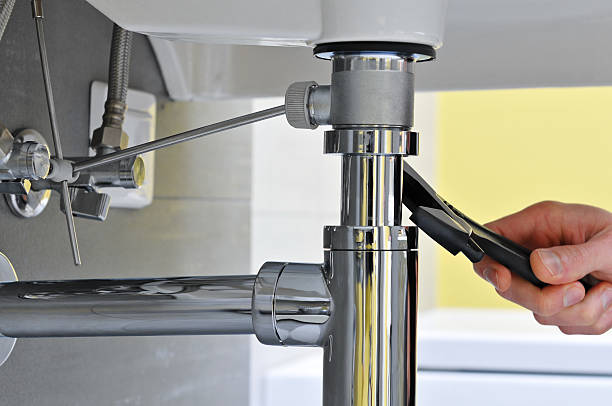
Don't Let Water Ruin Your Home
Panic is not a strategy; calling the experts is. We stop the water, find the leak, and fix it fast so you can get back to normal life.
Customer Reviews
"I woke up to a flooded laundry room at 3 AM. They were here in 40 minutes and fixed the burst hose. Lifesavers."
"My toilet backed up everywhere on a Sunday. They handled the clog quickly and cleanly. Very professional."
"We had a pipe burst in the garage during the freeze. They fixed it and insulated it so it wouldn't happen again."
Aberdeen Proving Ground, MD Insights: Population,
Zip Codes, Influence, and Service Areas
APG is the U.S. Army's oldest active proving ground, established on 20 October 1917, six months after the U.S. entered World War I. The planning and construction were overseen by Brigadier General Colden Ruggles, who later served as the Army's Chief of Ordnance. Its location allowed design and testing of ordnance materiel to take place near contemporary industrial and shipping centers. The proving ground was created as a successor to the Sandy Hook Proving Ground, which was too small for some of the larger weapons being tested. At the peak of World War II, APG had billeting space for 2,348 officers and 24,189 enlisted personnel.
Zip Codes in Aberdeen Proving Ground, MD that we also serve: 21005